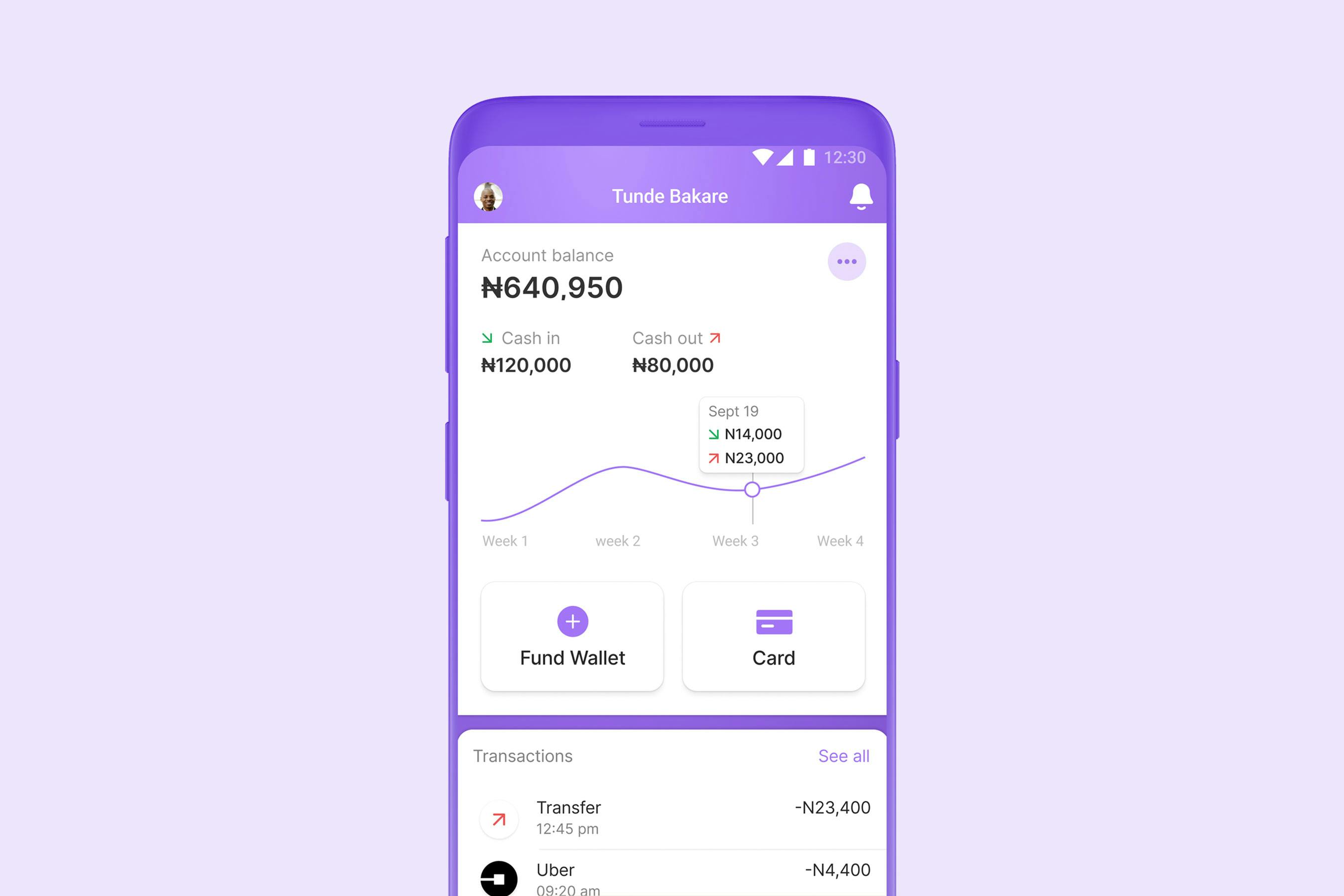
Out with the old, in with the new
"One day, all banks will be digital-only. Gone will be the days of physical branches, human tellers and long queues. All customer interactions with the bank will be through digital channels. It will happen, it's only a matter of when."
Edmund Olotu, Founder/CEO - Advance
No one wants to go to the bank, no one. At least not in Nigeria. Many bank customers are disenfranchised with their banking experiences. Their interactions with traditional banks have left them frustrated; this is especially true for millennials, many of whom consider it a waste of time and prefer to tweet at their banks rather than call or visit an actual branch.
In 2016 mobile phone penetrating reached 83% in a country of 120 million people, yet Nigeria's traditional banking has not gone beyond brick and mortar, and face-to-face interactions as the primary interface to interact with customers.
It should come as no surprise that customers are looking elsewhere for their financial needs to be met. They are turning to other sources — the fintechs, whose agile and intuitive financial services is primed to address the fundamentally underserved young generation.
In 2012, the National Financial Inclusion Strategy launched an ambitious document that explained the goals of the Central Bank of Nigeria to reduce financial exclusion to 20% by 2020. This followed an introduction of a three-tiered know-your-customer (KYC) policy which enables financial service customers who are unable to satisfy all KYC requirements to still access financial services – albeit with limited transaction thresholds. The introduction of this new policy opened up opportunities for challenger banks to disrupt the market.
Key opportunity indicators
Outdated traditional banking services
Traditional banking institutions are stuck in legacy systems and processes, failing to meet the changing customer expectations, indicating a need for innovative and modern financial services.
High demand for financial services
83% mobile penetration and 40% of the population being unbanked as of 2016 present a significant opportunity to provide inclusive financial services that cater to the underserved customer segment.
Opportunity to leverage data
With the increasing importance of data in the digital age, there is a chance to utilize industry data to drive better decision-making, improve customer experiences, and create new revenue streams.
The goal
A digital-only bank for the underbanked, and the unbanked.
My Role
I began my journey on this project as a contractor, but was later brought on as a full-time member of the design team for the company. During my time here, I was a crucial part of defining the user experience, interaction design, and visuals for a digital-only bank.
I collaborated closely with iOS and Android developers, a backend developer, a project manager, experts in the financial industry, and even the CEO.
I was involved in
-
Research
-
Problem / success definition
-
Design workshops
-
Product specs, prioritisation & milestones
-
Sprint planning
-
Product Design
-
UI & interaction design
-
Prototyping
-
QA & dogfooding
Research Insights
Before being hired for the project, some preliminary work was conducted relying on personal experiences with financial institutions, advice from financial experts, and potential biases.
To gain deeper insights, I conducted ten interviews with various individuals to explore the challenges they encounter with their banks. Additionally, I extensively researched resources online to enhance my understanding of the banking and financial services landscape.
Field findings (8 informal interviews)
-
Dissatisfaction with existing banks: Participants expressed overall dissatisfaction with traditional banks, often citing long forms, long queues, and subpar customer service as sources of frustration.
-
Challenges with digital banking: Users found it difficult to manage their finances using poorly designed banking apps, making it hard to perform basic tasks such as transferring money, making payments, and completing transactions.
-
Deep-rooted distrust in banks: Interviewees expressed a general distrust towards traditional banks due to hidden charges and seemingly arbitrary fees.
Survey insights (71 participants)
-
Mobile app adoption: 50% of the participants have downloaded their bank's mobile app on their phones.
-
Frequency of mobile app usage: 48% the participants use their bank's mobile app for transactions.
-
Popular mobile banking features: The most frequently used features in mobile banking apps are transferring money (72%), checking account balances (67%), and buying recharge cards (44%).
-
User satisfaction: A significant portion of users (85%) rated their overall experience with banking apps as 2 or 3 stars out of 5.
User definition
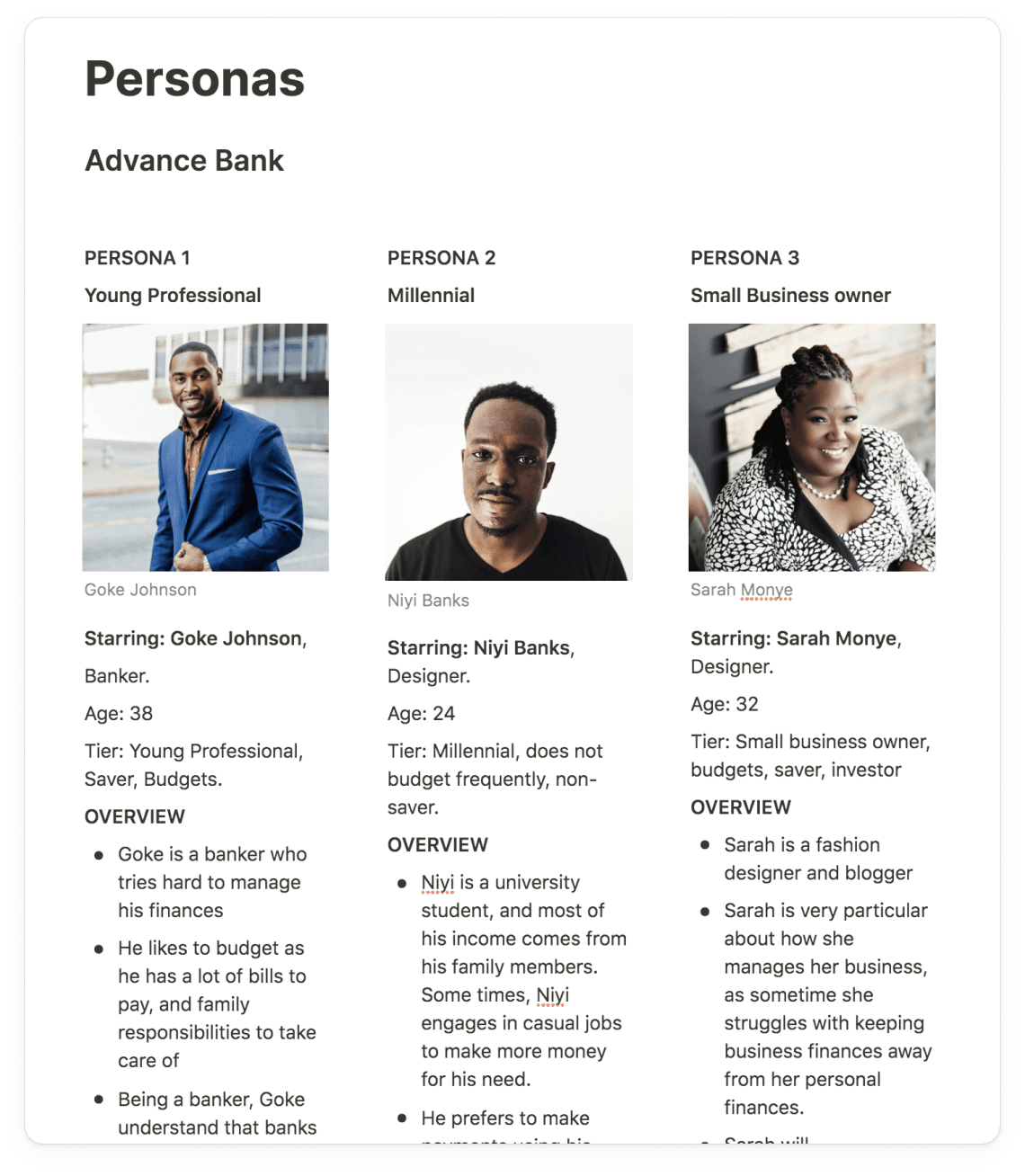
Through research and discussions, we identified three primary target demographics for Advance Bank: Millennials, young professionals, and small business owners.
Key objectives
-
Pioneer financial inclusion by enabling access to financial services through digital mediums - mobile first
-
Facilitate convenient transfers, payments, and transactions using Advance mobile app.
-
Enable easy budgeting for Advance customers.
Defining success
Aligned with Advance's mission to promote financial inclusion through its services, we define success as individuals downloading the Advance app, creating an account, funding it, and initiating their first transaction via Advance Bank's mobile app.
-
Downloads compared to completed sign-ups
-
Completed sign-ups in relation to funded accounts
-
Transactions relative to funded accounts
-
Engagement metrics including weekly active users, transactions, and sign-ins
Introducing
Advance bank. What you wish your bank could do..
-
Financial tools and services, all on your fingertips.
-
Track expenses, pay bills, send & receive funds.
-
Budget & stay in control of your spending.
-
A card under your control.
-
100% digital bank.
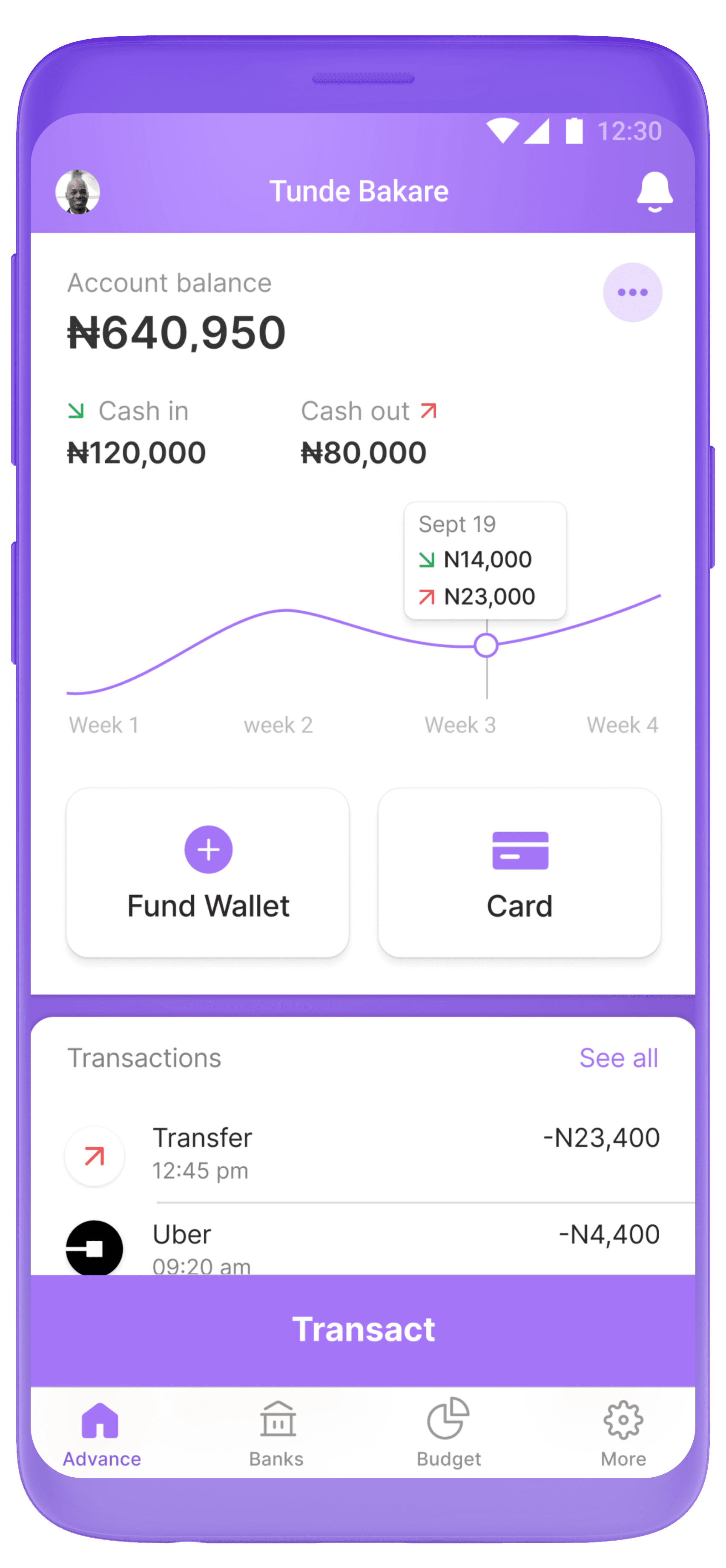
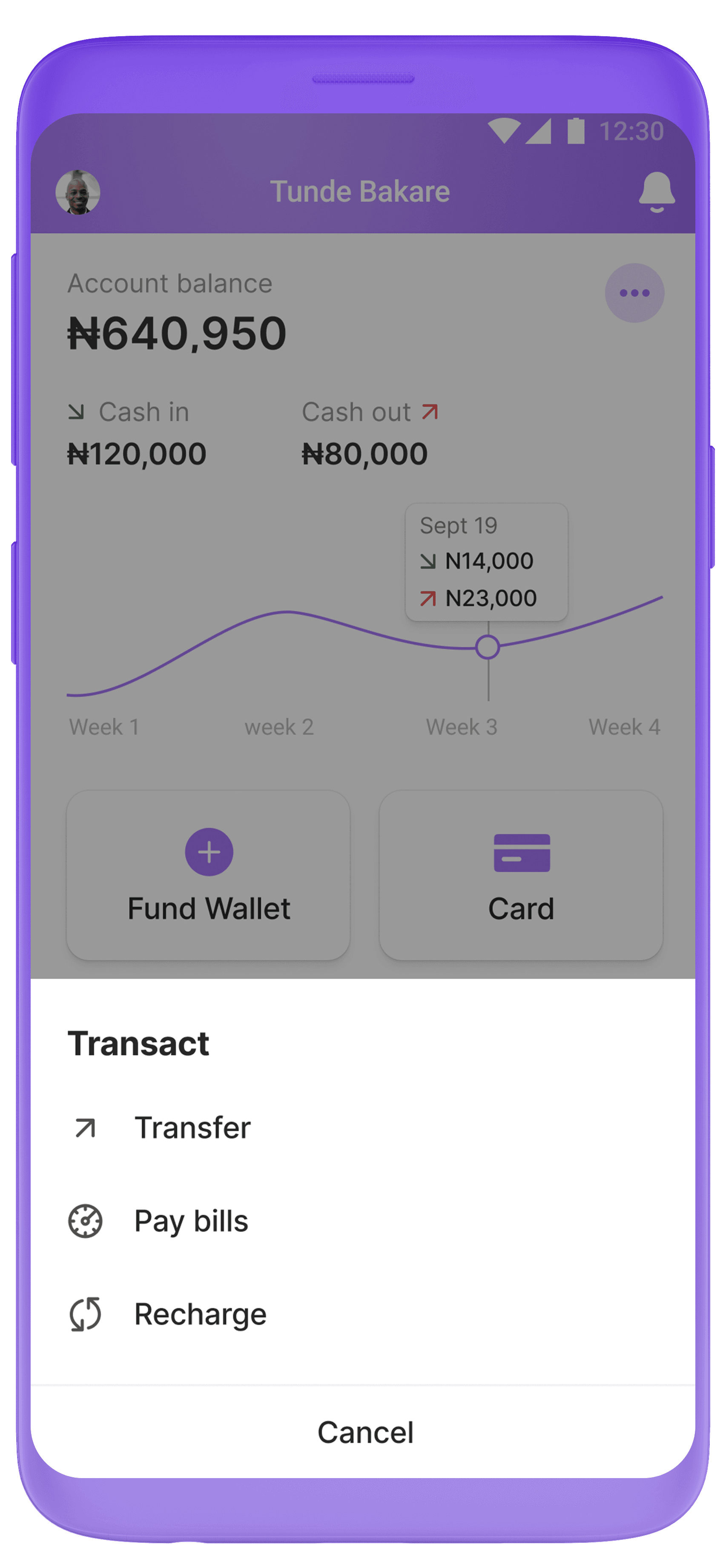
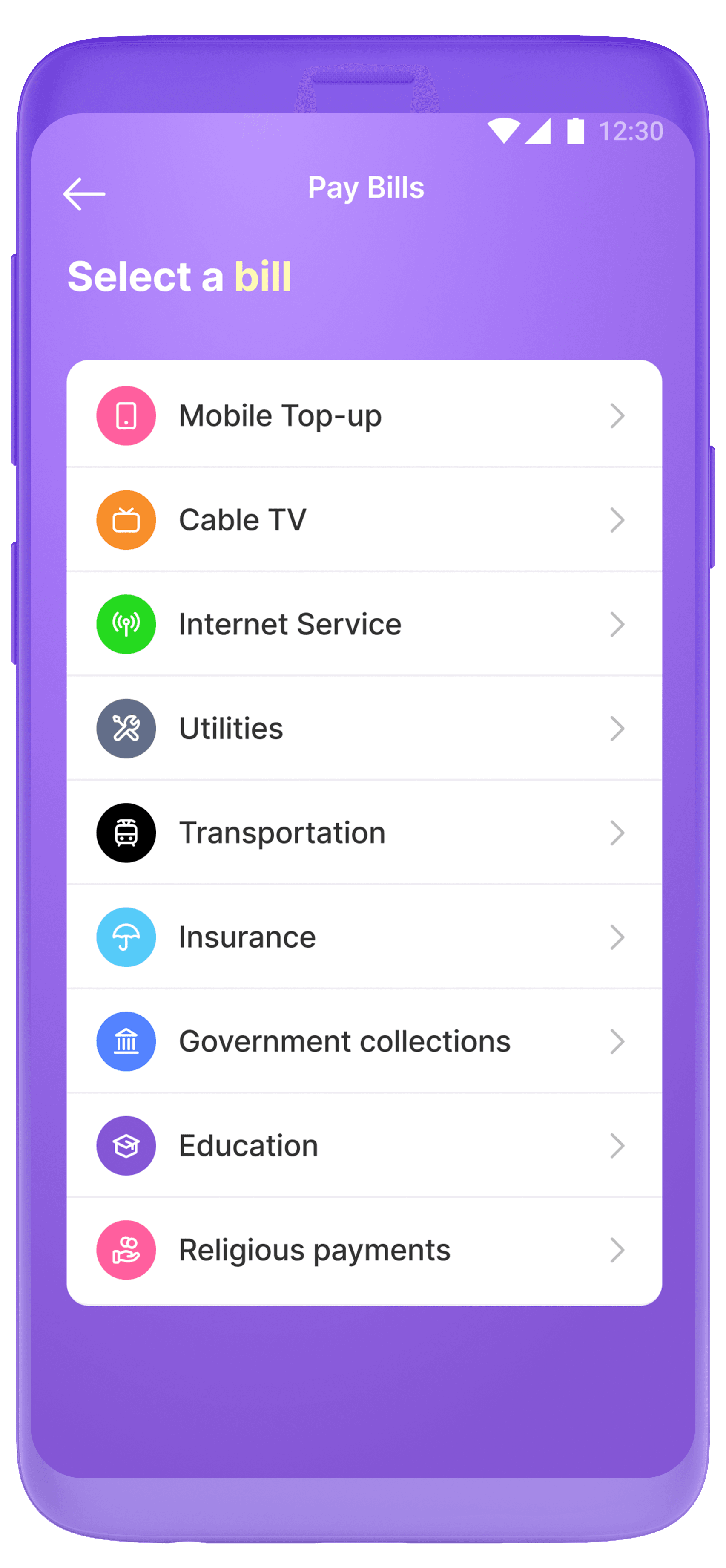
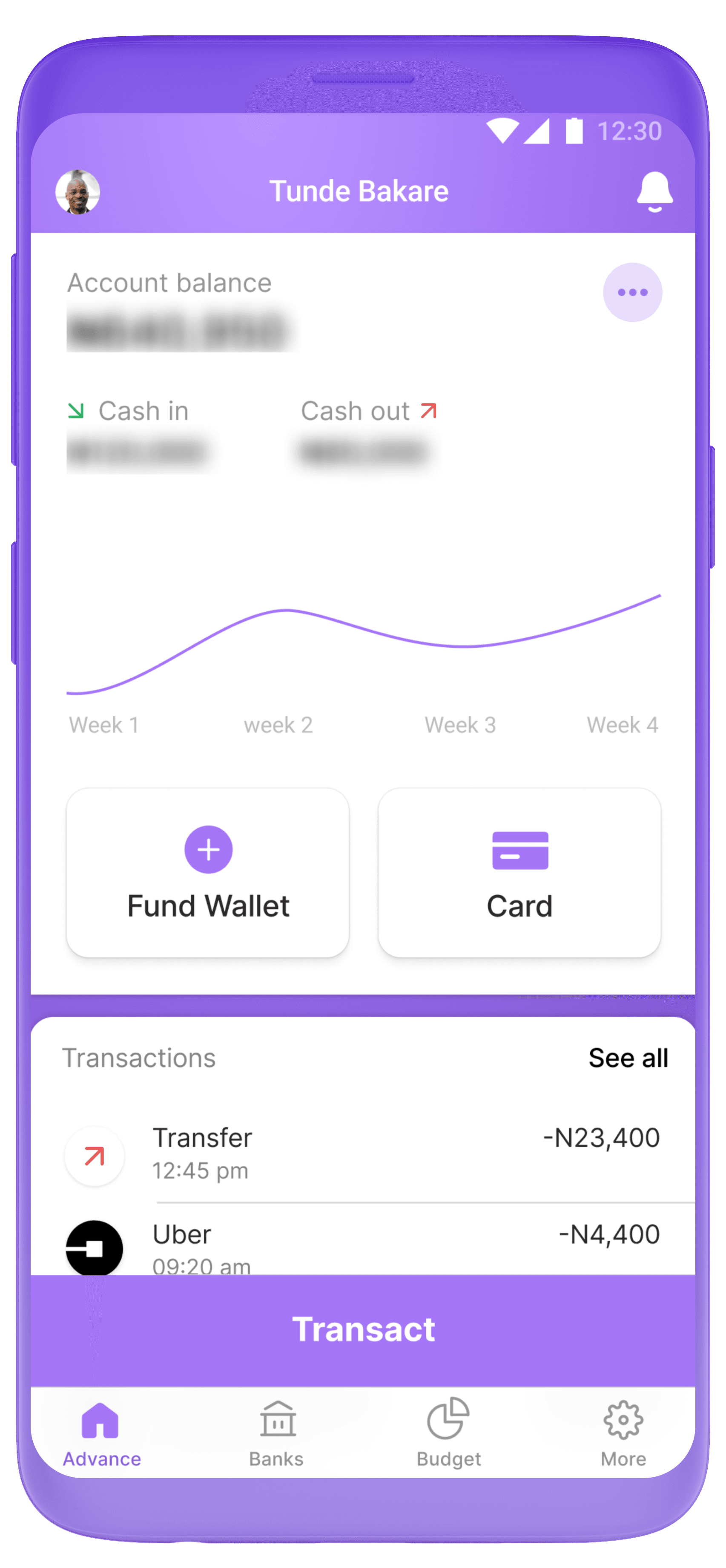
Conduct financial transactions seamlessly: Transfer and receive money, pay bills, and recharge accounts—all without the need to visit a physical bank branch.
Research revealed the primary mobile banking activities are checking balances, viewing recent transactions, making transfers, and paying bills.
With this insight, I designed an intuitive end-to-end experience optimized for these core workflows.
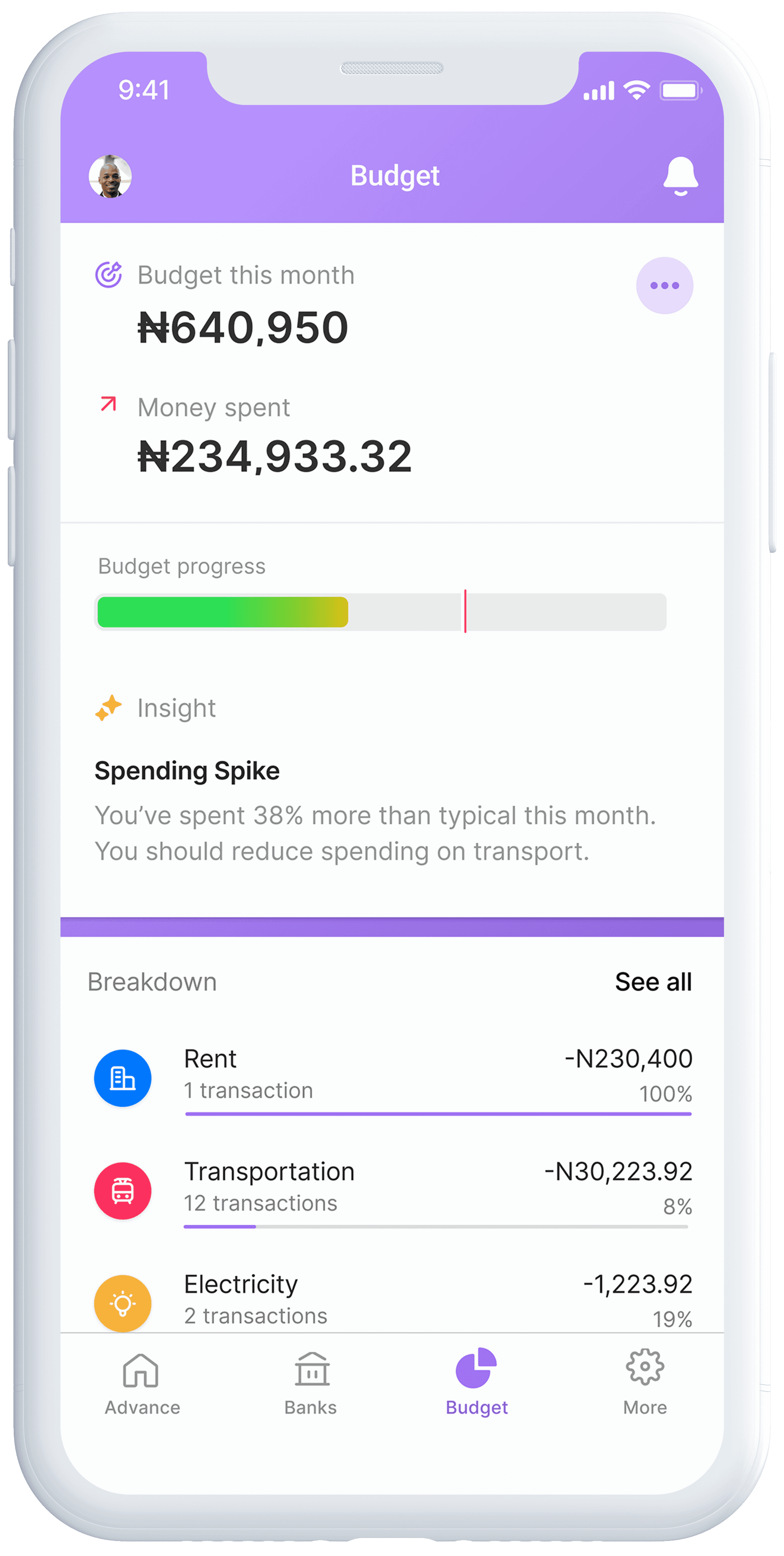
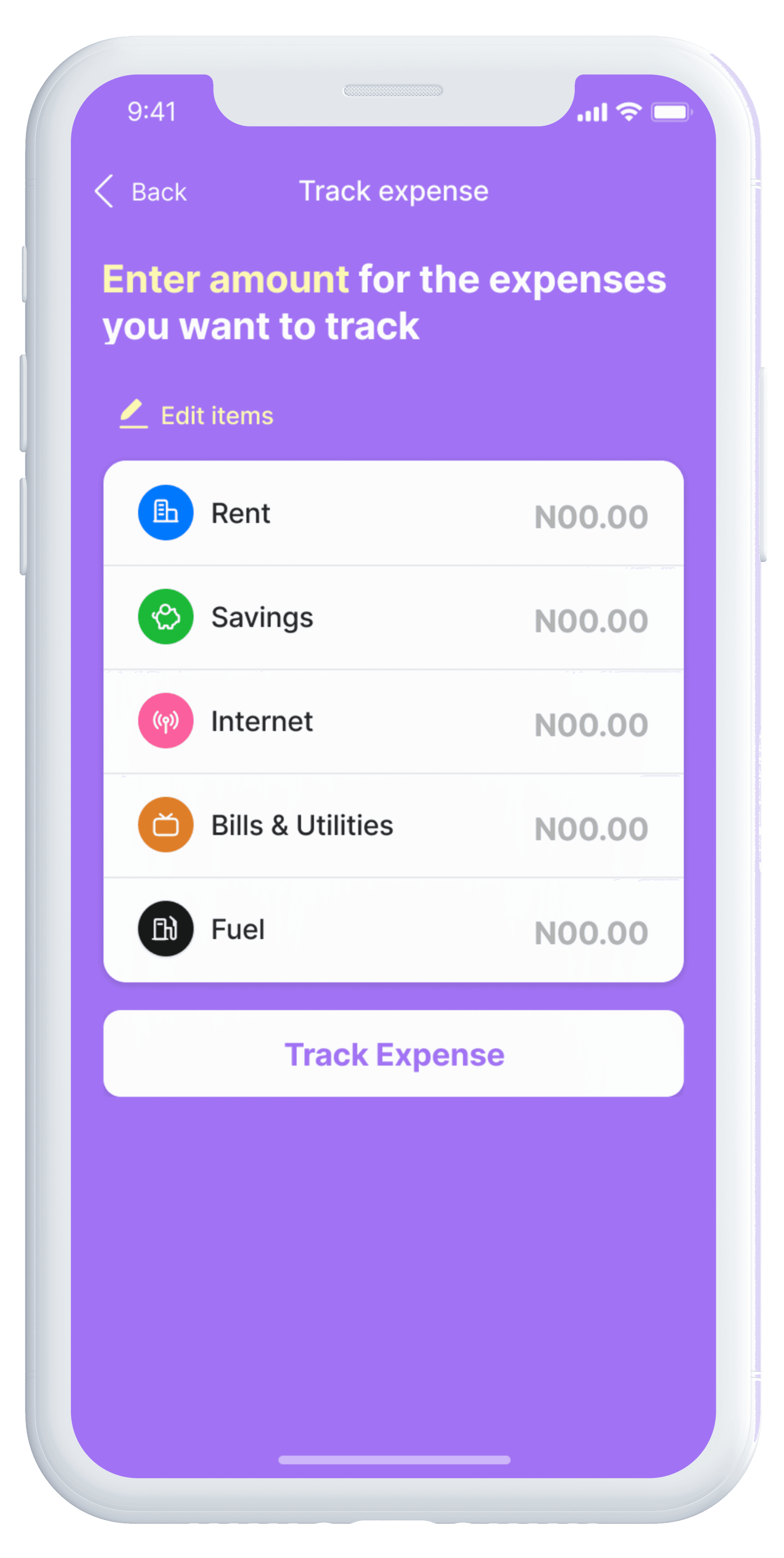
Know where your money is going with Advance’s smart budgeting.
One of Advance Bank's core value propositions is enabling customers to effortlessly stay on top of their finances. By plugging into novel API technology that provides access to transaction metadata, we designed a smart, simplified budgeting tool that automatically tracks expenses. This gives customers a holistic view of spending patterns across all linked accounts.
For additional control, the tool also allows manual expense tracking. With machine learning-powered categorization and AI insights, customers can gain deeper insights into their finances to inform better money management.
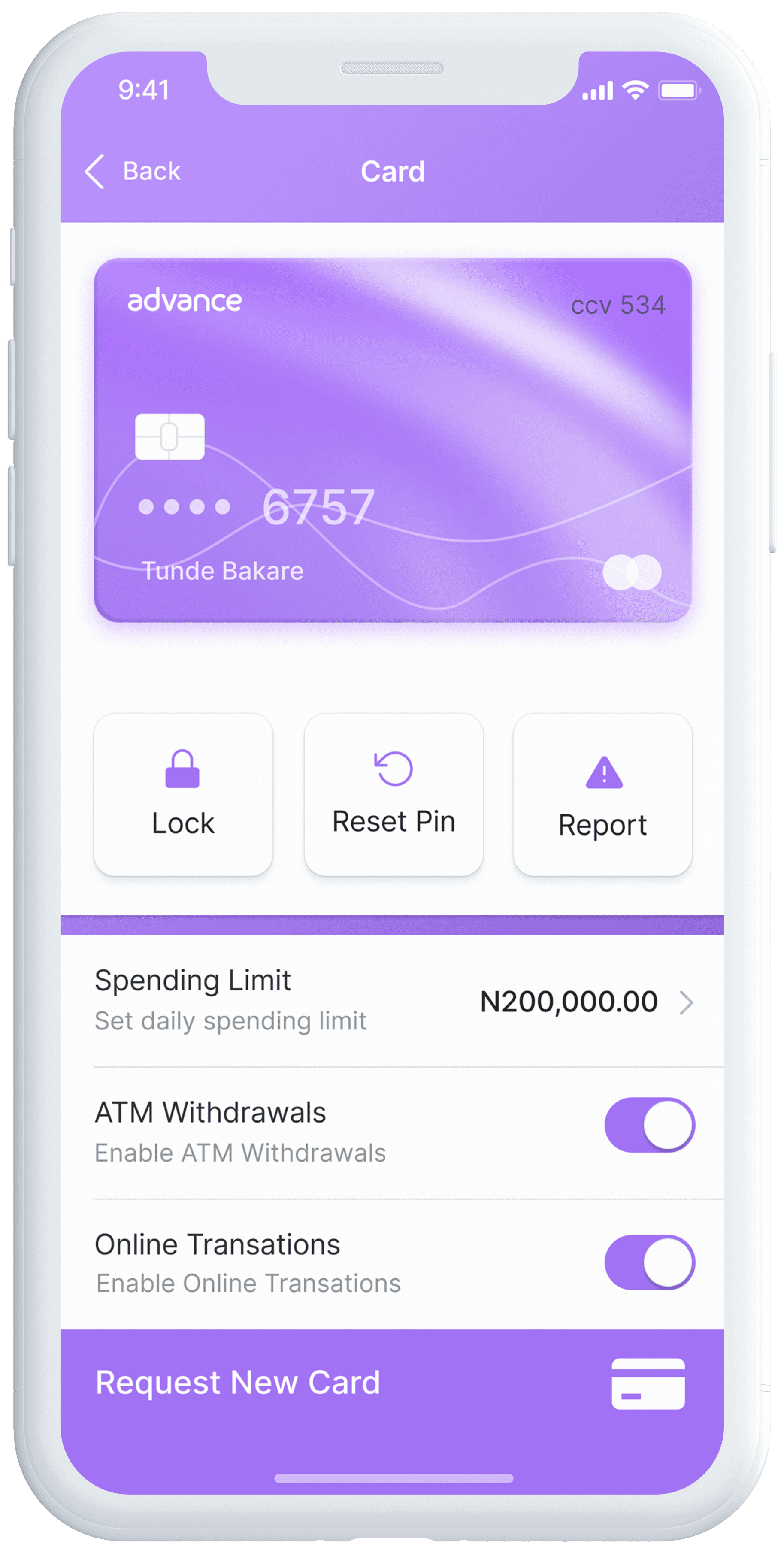
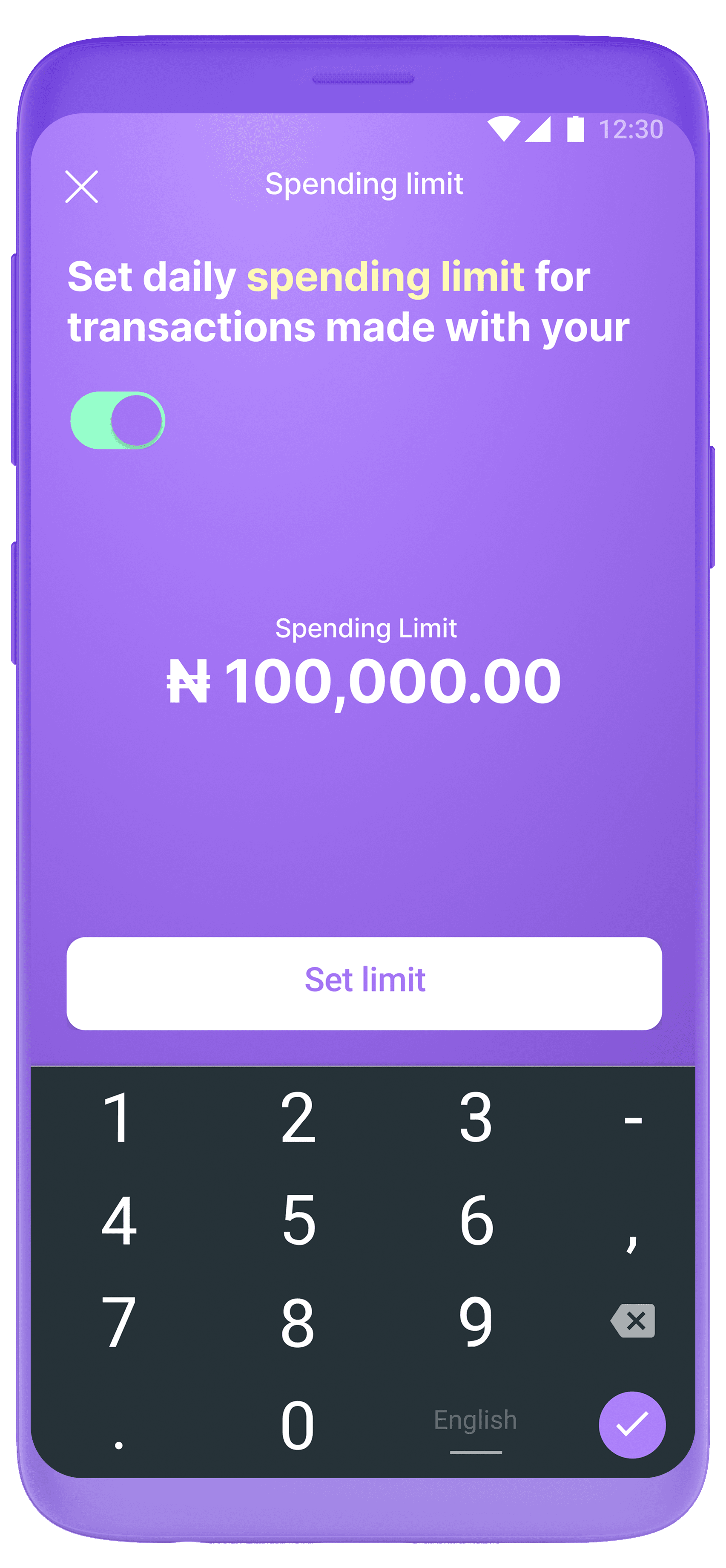
A card under your control
ATMs are a crucial part of Nigeria's financial infrastructure, with transaction values reaching N4.61 trillion by September 2017 across over 17,000 machines nationwide. Nigerians heavily rely on ATM cards to avoid carrying cash.
We designed simple controls for ATM transactions with security in mind.
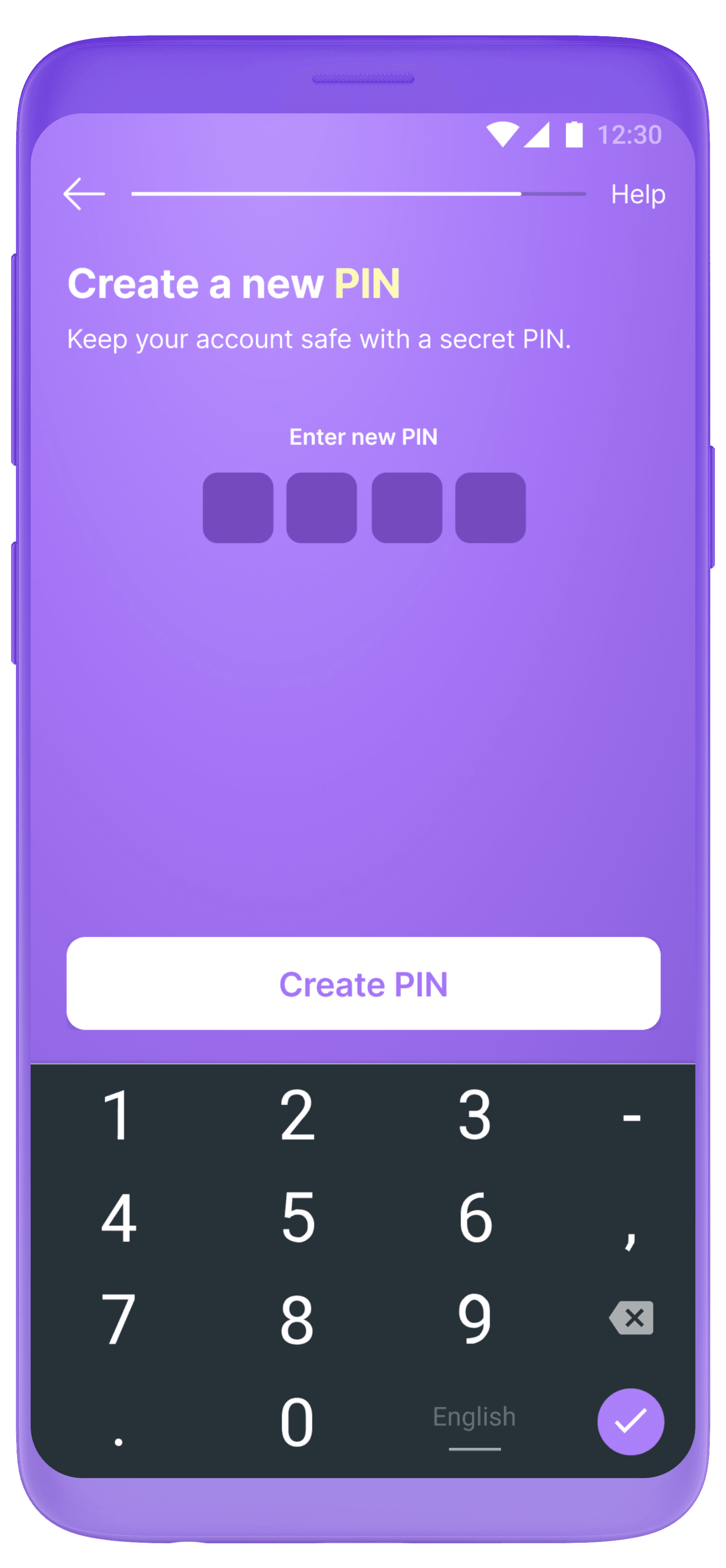
Designing for security
Building a bank meant we had to put security first. We designed concepts of ensuring security using the Advance App.
Impact
Before departing from the company, we initiated beta testing with a select group of individuals. Through testing, we identified opportunities for UX/UI enhancements and refined interactions, particularly in areas such as sign-ups, money transfers, budgeting, and bill payments.
Additionally, I developed a comprehensive design system and documentation to facilitate a seamless transition for the next designer taking over the project.
Learnings
Reflecting on this project, I realize that I would have approached it differently by starting with small, impactful efforts and embracing an iterative process for continuous product improvement. The prolonged launch was partly due to our pursuit of perfection before release.
Despite the challenges, this project stands out as one of the most rewarding experiences I've had. It deepened my understanding of designing for both iOS and Android platforms. Armed with this knowledge, I successfully crafted a cohesive design that seamlessly integrates across both platforms.